
Ensuring food safety is a fundamental priority in the food industry, and the use of food-grade containers is central to achieving it. Selecting high-quality food grade containers ensures compliance with health regulations while maintaining the integrity and freshness of stored products. These containers are specifically designed to store and transport food safely, without altering its taste, texture, or nutritional quality. Unlike standard containers, food-grade varieties are constructed from materials that do not react chemically with food and prevent the introduction of harmful substances. Their careful design also protects against contamination, spoilage, and degradation caused by environmental factors such as moisture, temperature changes, or prolonged storage.
Regulations and Standards
Food-grade containers are manufactured to comply with strict safety standards that protect consumers from chemical contaminants and other health hazards. Materials used must not release substances capable of harming human health or compromising food quality. By meeting these safety requirements, containers ensure that food remains fresh, hygienic, and safe throughout storage, transport, and handling. This compliance also reinforces confidence in food safety practices across the food industry.
Material Integrity and Nonreactivity
A key attribute of food-grade containers is their non-reactivity. They are typically made from materials such as high-density polyethene (HDPE), polypropylene, and stainless steel, which do not leach chemicals or affect the flavour, colour, or smell of food. HDPE, for example, is commonly used for liquids such as milk or juice because it prevents odour retention and maintains product quality over time. Stainless steel is highly favoured in commercial kitchens for its temperature resilience, hygienic properties, and ease of cleaning. By using non-reactive materials, food-grade containers ensure that food remains safe, fresh, and true to its intended quality.
Contamination Prevention
Food-grade containers are designed to reduce the risk of contamination. Airtight seals and hygienic closures create a protective barrier against bacteria, pests, and environmental pollutants. This is particularly important in food processing, packaging, and storage environments, where exposure to pathogens could compromise food safety. Transparent containers offer additional advantages by allowing easy visual inspection of contents without opening the container, thereby maintaining a controlled and hygienic storage environment. By preventing contamination, these containers safeguard both consumer health and the quality of the food product.
Temperature Control
Maintaining appropriate temperatures is essential for food safety. Food-grade containers are engineered to withstand a range of temperature extremes without compromising their structural integrity. Certain plastics can become brittle when frozen, but food-grade versions are designed to endure cold conditions while maintaining durability. Similarly, containers must resist high temperatures in food preparation or transport situations. This adaptability ensures that food remains within safe temperature ranges, slowing microbial growth and prolonging shelf life. The ability to maintain consistent temperature conditions is especially important for perishable foods, where fluctuations can quickly lead to spoilage or contamination.
Durability and Longevity
Durability is another essential characteristic of food-grade containers. Built to withstand frequent handling, cleaning, and environmental stresses, these containers are designed for long-term use. Their structural resilience reduces the need for frequent replacements, making them a cost-effective option for businesses and households alike. In commercial settings, where containers are subject to heavy use, durability ensures that food remains protected, uncontaminated, and secure. Long-lasting containers also reduce waste, which contributes to both financial savings and environmental sustainability.
Ease of Cleaning
Proper sanitation is closely linked to food safety, and food-grade containers support hygienic cleaning practices. Smooth surfaces minimise bacterial build-up and simplify disinfection. Many containers are dishwasher safe, saving time and ensuring thorough cleaning. Stainless steel, in particular, is highly resistant to rust and corrosion, even when exposed to harsh cleaning agents or repeated scrubbing. By allowing for effective cleaning, food-grade containers reduce the risk of contamination, providing a safer and more reliable food storage solution.
Environmental Considerations
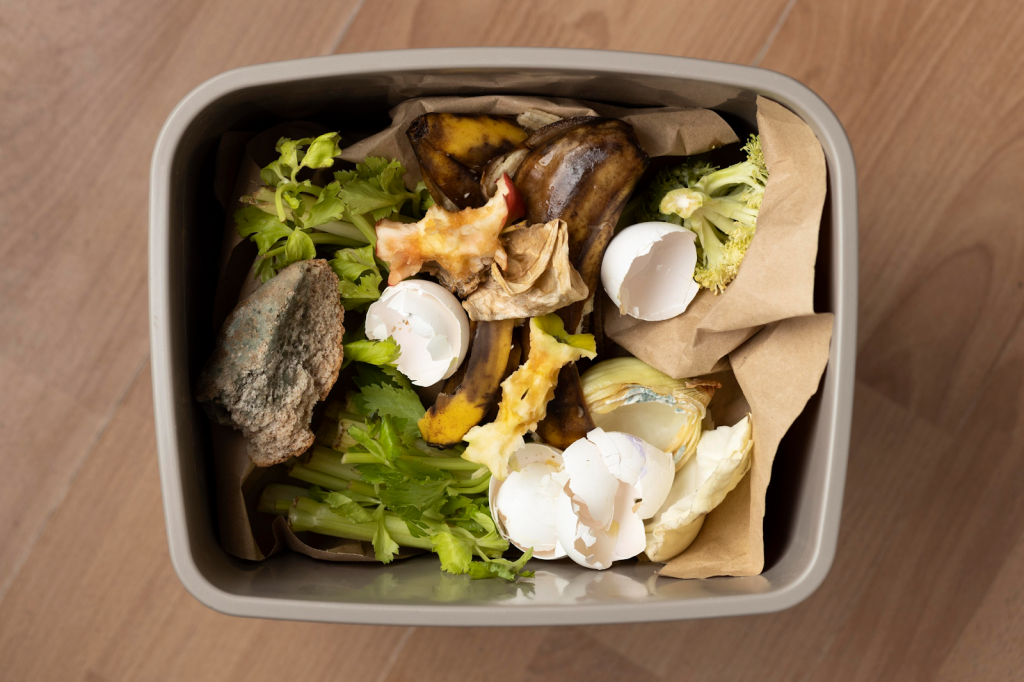
Sustainability is increasingly important in food storage solutions. Many food-grade containers are recyclable, which helps reduce their environmental impact. Their durability also reduces the frequency of replacement, minimising resource consumption. Sustainable design aligns with consumer expectations for eco-friendly food packaging while maintaining high standards of safety and functionality. By choosing long-lasting and recyclable containers, businesses and households can contribute to environmental conservation without compromising food safety.
Innovation and Technology
The technology behind food-grade containers continues to evolve, improving both safety and convenience. Some containers now feature anti-microbial linings that actively inhibit bacterial growth, while smart containers are equipped with sensors to monitor temperature, freshness, and storage conditions. These innovations allow for real-time monitoring, help prevent food spoilage, and reduce waste, particularly in commercial foodservice operations. Advanced container technologies not only improve safety but also enhance operational efficiency, offering valuable insights into inventory management and storage practices.
Economic Benefits
Investing in high-quality food-grade containers can deliver long-term economic benefits. While they may cost more initially, their durability, contamination prevention, and temperature control properties reduce financial losses associated with spoilt or unsafe food. For businesses, these containers protect brand reputation and maintain consumer trust, which is essential in the competitive food industry. Over time, the reduction in replacement costs and minimised food waste further reinforces the economic advantages of using food-grade containers.
Conclusion
Food-grade containers are indispensable tools in safeguarding food quality, safety, and consumer health. Their non-reactive materials, compliance with strict safety standards, contamination-prevention features, temperature resilience, and durability make them essential in both commercial and domestic contexts. With additional environmental benefits and innovative technological features, these containers support sustainable practices while ensuring food remains fresh, safe, and protected. Their continued use represents a vital commitment to quality, safety, and sustainability across all food-handling operations.
