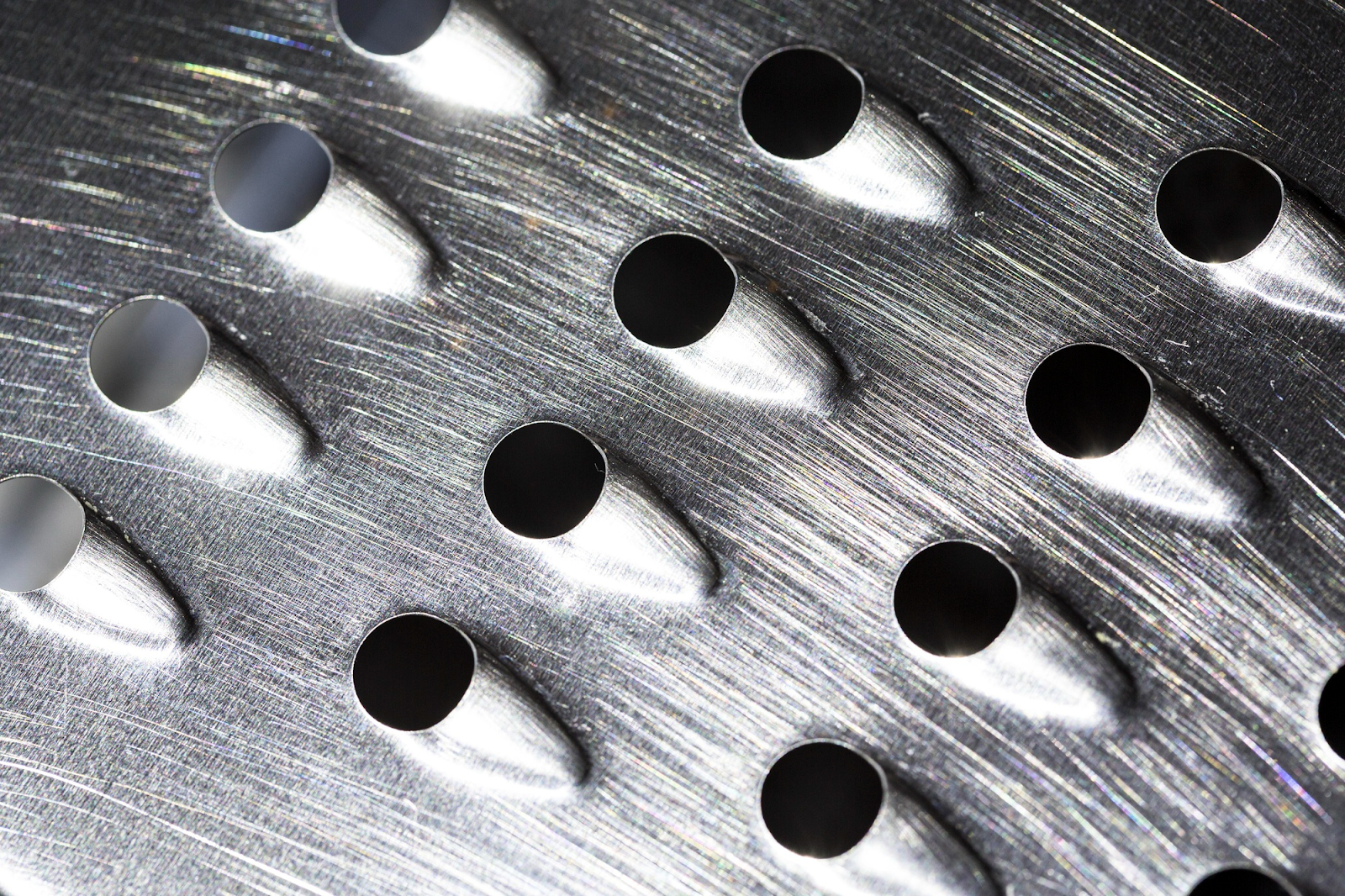
Essential Guidelines for Maintaining Stainless Steel Surfaces

Stainless steel is celebrated for its durability, resistance to corrosion, and sleek, modern appearance, making it a popular choice for a wide range of installations. Suppliers and fabricators working with stainless steel in Melbourne often emphasise the importance of climate-appropriate maintenance to address coastal air exposure and varying weather conditions. Its enduring appeal depends largely on proper maintenance, as even this resilient material can lose its lustre or suffer surface damage without regular care. Maintaining stainless steel is essential not only for preserving its aesthetic qualities but also for ensuring long-term functionality. Whether applied to balustrades, kitchen fittings, countertops, or external fixtures, careful attention to cleaning, protection, and restoration will extend the lifespan of stainless steel and keep surfaces looking pristine.

Establishing a Consistent Cleaning Routine

A consistent cleaning routine forms the cornerstone of stainless steel maintenance. Regular attention prevents the build-up of dirt, fingerprints, grease, and other residues that can dull the metal’s natural shine.

  • Gentle Cleaning Solutions: Mild detergents diluted in warm water are ideal for everyday cleaning. These solutions remove surface grime effectively without causing scratches or compromising the finish.
  • Soft Cloths or Microfibre Towels: Using soft materials, such as microfibre towels or lint-free cloths, ensures cleaning is thorough yet gentle. These materials reduce the risk of scratching while helping to polish the surface.
  • Drying After Washing: After cleaning, surfaces should be dried carefully with a clean towel to prevent water spots, which can leave marks and affect the uniformity of the finish.

Managing Stubborn Stains and Marks

Even with regular care, stainless steel can develop stubborn stains, particularly in high-contact areas or spaces exposed to grease and dirt.

  • Baking Soda Paste: A simple paste made from baking soda and water is effective for tougher marks. Apply gently with a soft cloth and rinse thoroughly to restore

Features to Look for in Order Picking Trolleys

When it comes to enhancing efficiency in warehouses and retail environments, having the right equipment is essential. This is where Richmond Rolling Solutions can help you find the best solutions tailored to your needs. One of the critical pieces of equipment is the order picking trolleys. In this guide, we will explore ten essential features to look for in order-picking trolleys.

1. Richmond’s Stock Picking Trolleys

For high-quality, reliable order-picking trolleys, consider Richmond Rolling Solutions stock-picking trolleys. Designed with functionality and durability in mind, these trolleys can significantly streamline your picking process. Featuring a robust construction and ergonomic design, they are ideal for various warehouse settings. Explore more about these exceptional order-picking trolleys by visiting Richmond Rolling Solutions stock-picking trolleys for all your order-picking needs.

2. Customisation Options

One of the critical service types is customisation. Businesses often have unique needs based on their inventory and operational processes. Look for order-picking trolleys that offer customisation options, such as adjustable shelves, colour coding, or specific sizes to match your workflow.

3. Ergonomic Design

With its emphasis on employee well-being, ergonomic design is vital. Order picking trolleys should have features like height-adjustable handles and easy-to-manoeuvre wheels. This helps reduce strain and fatigue for workers, promoting a healthier work environment.

4. Durability and Material Quality

In a tropical climate, it’s essential to have equipment that can withstand humidity and wear. Choose order-picking trolleys made from high-quality materials such as stainless steel or heavy-duty plastic. These materials not only enhance durability but also ensure the trolleys are easy to clean and maintain.

5. Load Capacity

When selecting an order picking trolley, always consider its load capacity. Different businesses have varying needs, and it’s crucial to choose trolleys that can handle your specific weight requirements. Make sure the trolleys are rated for the …

Unlocking Land Ownership: The Role and Significance of Cadastral Surveys

In the complex tapestry of land administration and ownership, cadastral surveys emerge as the unsung heroes, providing the foundational framework for property delineation and legal certainty. These surveys play a crucial role in mapping and defining land parcels, ensuring accuracy in property boundaries, and facilitating efficient land management. In this exploration, we delve into the world of cadastral surveys, understanding their importance, methodologies, and the impact they have on the broader realms of real estate, urban planning, and land governance.


Understanding Cadastral Surveys:


A cadastral survey is a systematic and detailed examination, measurement, and mapping of real property boundaries. Its primary objective is to create an accurate and legally defensible representation of land parcels, including their dimensions, locations, and the relationships between them. The Cadastral survey serves as the basis for land registration, taxation, land-use planning, and overall land management.


Key Components of Cadastral Surveys:


Boundary Definition: The fundamental task of a cadastral survey is to precisely define the boundaries of individual land parcels. This involves a combination of field measurements, geodetic data, and legal documentation to establish the limits of a property.


Land Parcel Identification: Each land parcel is assigned a unique identifier, linking it to specific ownership details and relevant legal documentation. This identification ensures clarity in land records and minimizes the potential for disputes or ambiguities.


Topographic Information: Cadastral surveys often include topographic details such as terrain features, elevation data, and natural boundaries. This additional information contributes to a comprehensive understanding of the physical characteristics of the land.


Monumentation: The establishment of physical markers or monuments at key points along the boundaries is a critical aspect of cadastral surveys. These monuments serve as tangible reference points, aiding in the identification and verification of property boundaries.


Methodologies in Cadastral Surveys: