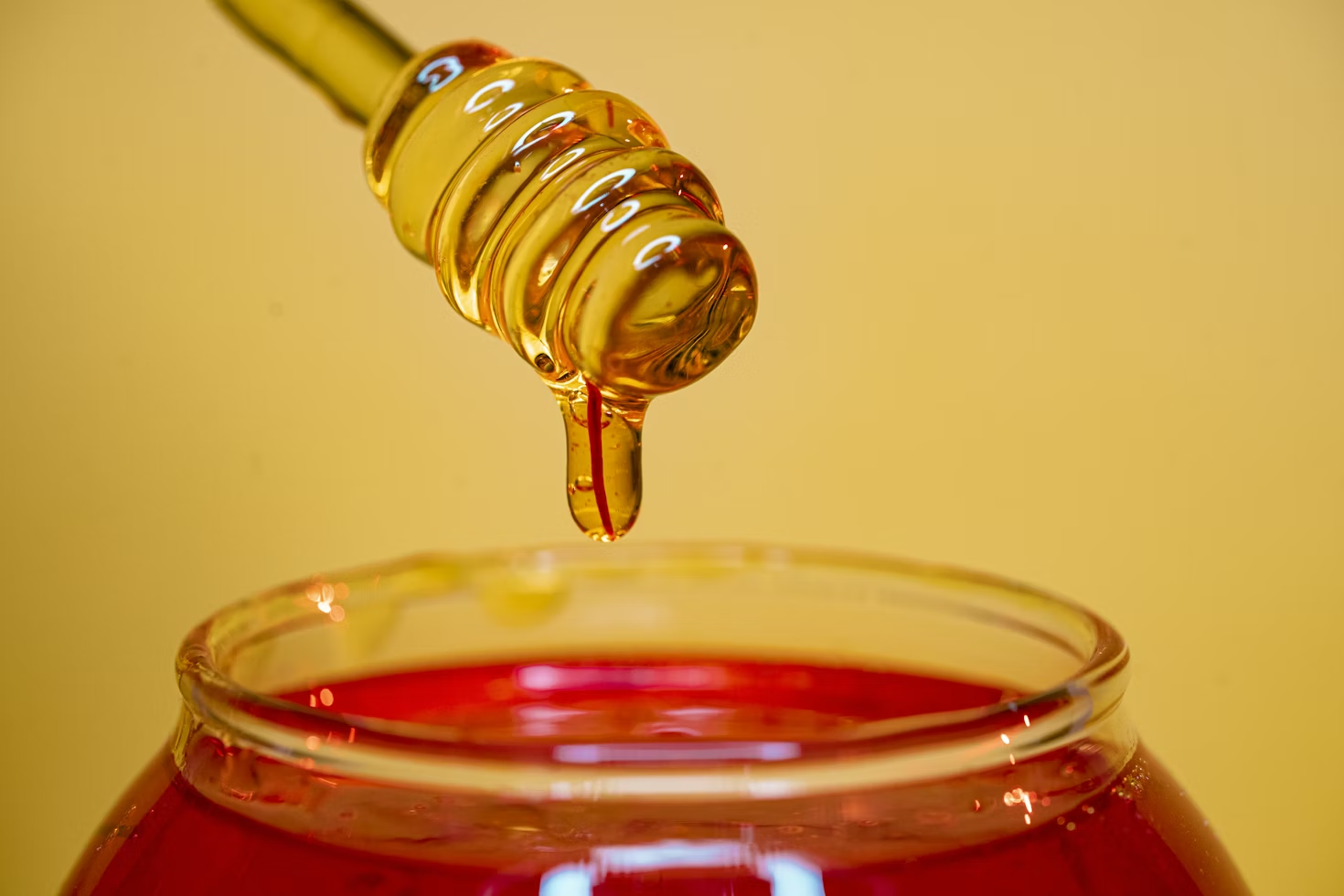
Harnessing Nature’s Rarest Ingredients for Healthier, Sustainable Skin

Growing awareness of what goes into skincare products has driven an increased demand for plant-based and sustainable ingredients. Within this natural movement, rare organic components are gaining recognition for their distinctive properties, potent benefits, and minimal environmental impact. These elements are valued not only for their effectiveness but also for their alignment with the principles of environmentally conscious consumers seeking products that are both ethical and responsible.

The Power of Rare Organics

Rare organic ingredients often draw on centuries of traditional knowledge, frequently rooted in the practices of indigenous communities. Their enduring use underscores their effectiveness, offering natural solutions to a variety of skin concerns. Ingredients such as kakadu plum, noted for its exceptionally high vitamin C content, and marula oil, rich in antioxidants and essential fatty acids, have become foundational in contemporary skincare formulations.

Each of these ingredients carries a legacy of therapeutic application. They offer benefits such as revitalising skin cells, combating oxidative stress, and improving overall skin health. Their scarcity is typically linked to specialised ecosystems where they naturally grow, ensuring that harvesting is done sustainably and preserving both the purity and potency of the final skincare products.

Sustainability and Ethical Sourcing

One of the key advantages of Rare Organics lies in their sustainable sourcing. Cultivation practices often prioritise biodiversity, adhere to fair-trade principles, and support local communities, all while safeguarding environmental integrity. Harvesting methods focus on maintaining natural habitats and ensuring that ecosystems remain balanced. This ethical approach enhances consumer confidence in product authenticity and reinforces the growing movement for responsible, conscious beauty.

Sustainable practices also extend to processing techniques. Ingredients are often cold-pressed or minimally refined to preserve the full spectrum of active compounds. By combining ethical sourcing with careful handling, skincare products maintain both efficacy and environmental accountability, ensuring that the benefits of rare …
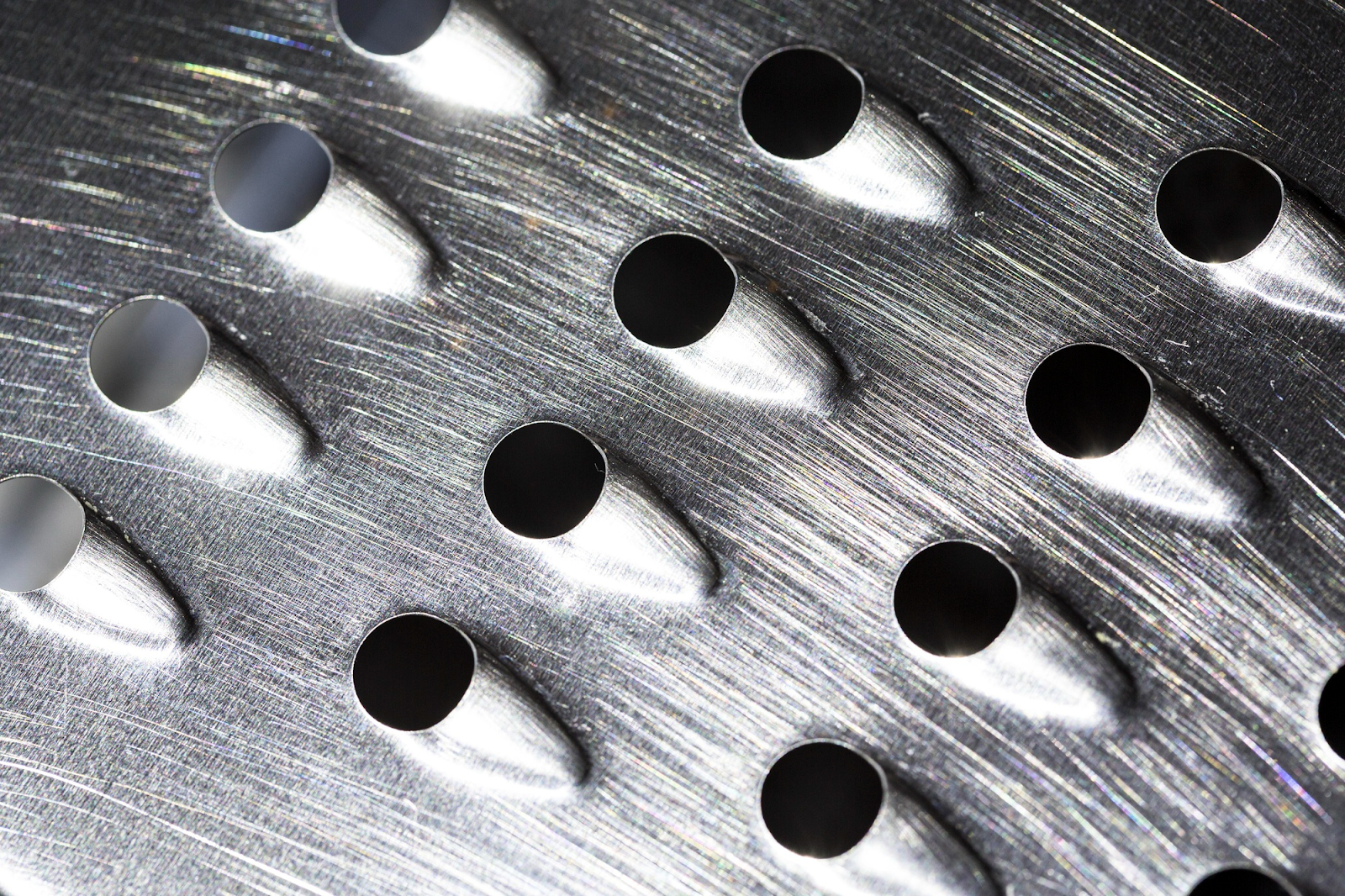

Essential Guidelines for Maintaining Stainless Steel Surfaces

Stainless steel is celebrated for its durability, resistance to corrosion, and sleek, modern appearance, making it a popular choice for a wide range of installations. Suppliers and fabricators working with stainless steel in Melbourne often emphasise the importance of climate-appropriate maintenance to address coastal air exposure and varying weather conditions. Its enduring appeal depends largely on proper maintenance, as even this resilient material can lose its lustre or suffer surface damage without regular care. Maintaining stainless steel is essential not only for preserving its aesthetic qualities but also for ensuring long-term functionality. Whether applied to balustrades, kitchen fittings, countertops, or external fixtures, careful attention to cleaning, protection, and restoration will extend the lifespan of stainless steel and keep surfaces looking pristine.

Establishing a Consistent Cleaning Routine

A consistent cleaning routine forms the cornerstone of stainless steel maintenance. Regular attention prevents the build-up of dirt, fingerprints, grease, and other residues that can dull the metal’s natural shine.

  • Gentle Cleaning Solutions: Mild detergents diluted in warm water are ideal for everyday cleaning. These solutions remove surface grime effectively without causing scratches or compromising the finish.
  • Soft Cloths or Microfibre Towels: Using soft materials, such as microfibre towels or lint-free cloths, ensures cleaning is thorough yet gentle. These materials reduce the risk of scratching while helping to polish the surface.
  • Drying After Washing: After cleaning, surfaces should be dried carefully with a clean towel to prevent water spots, which can leave marks and affect the uniformity of the finish.

Managing Stubborn Stains and Marks

Even with regular care, stainless steel can develop stubborn stains, particularly in high-contact areas or spaces exposed to grease and dirt.

  • Baking Soda Paste: A simple paste made from baking soda and water is effective for tougher marks. Apply gently with a soft cloth and rinse thoroughly to restore

Avoiding Common Pitfalls in Professional Indemnity Insurance

In today’s professional environment, safeguarding a business against potential claims of negligence, errors, or omissions is essential. Requesting a professional indemnity insurance quote enables businesses to assess coverage options, policy limits, and premiums before committing to a provider. Professional indemnity insurance acts as a vital safety net, protecting practitioners across a broad spectrum of industries, from architects and consultants to accountants and freelance writers. Obtaining a precise and comprehensive insurance quote is crucial, as the accuracy of the information provided directly affects the level of protection offered. A thorough understanding of professional indemnity insurance allows businesses to navigate risks confidently and maintain operational stability.

The Importance of Accurate Quotations

Accurate insurance quotations are fundamental to ensuring that professionals are sufficiently protected against the risks inherent to their work. Underestimating the required coverage can leave a business vulnerable to significant financial loss, while overestimating may lead to unnecessary expenditure. This is particularly relevant for small businesses and sole traders, who may have limited capacity to absorb the impact of a claim. In addition to financial implications, insufficient coverage can also affect business reputation and client confidence, making the accuracy of insurance quotes a matter of strategic importance.

Key Factors Influencing Insurance Quotes

Nature of the Profession

The specific nature of a professional’s work largely determines the level of risk and, consequently, the insurance premium. An IT consultant, for example, may face potential liabilities relating to data breaches, software errors, or cybersecurity failures, whereas a chartered surveyor might encounter risks associated with valuation mistakes or property assessments. Clearly communicating the scope and type of professional activity ensures that insurers can provide an accurate and customised quote, reflecting the unique risks involved.

Business Turnover

A business’s annual revenue is another key factor affecting premiums. Higher turnover often indicates larger-scale operations, which may correlate …

The Essential Role of Food-Grade Containers in Ensuring Food Safety

Ensuring food safety is a fundamental priority in the food industry, and the use of food-grade containers is central to achieving it. Selecting high-quality food grade containers ensures compliance with health regulations while maintaining the integrity and freshness of stored products. These containers are specifically designed to store and transport food safely, without altering its taste, texture, or nutritional quality. Unlike standard containers, food-grade varieties are constructed from materials that do not react chemically with food and prevent the introduction of harmful substances. Their careful design also protects against contamination, spoilage, and degradation caused by environmental factors such as moisture, temperature changes, or prolonged storage.

Regulations and Standards

Food-grade containers are manufactured to comply with strict safety standards that protect consumers from chemical contaminants and other health hazards. Materials used must not release substances capable of harming human health or compromising food quality. By meeting these safety requirements, containers ensure that food remains fresh, hygienic, and safe throughout storage, transport, and handling. This compliance also reinforces confidence in food safety practices across the food industry.

Material Integrity and Nonreactivity

A key attribute of food-grade containers is their non-reactivity. They are typically made from materials such as high-density polyethene (HDPE), polypropylene, and stainless steel, which do not leach chemicals or affect the flavour, colour, or smell of food. HDPE, for example, is commonly used for liquids such as milk or juice because it prevents odour retention and maintains product quality over time. Stainless steel is highly favoured in commercial kitchens for its temperature resilience, hygienic properties, and ease of cleaning. By using non-reactive materials, food-grade containers ensure that food remains safe, fresh, and true to its intended quality.

Contamination Prevention

Food-grade containers are designed to reduce the risk of contamination. Airtight seals and hygienic closures create a protective barrier against bacteria, …